How do I know if GSquared is the right photographer for my wedding?
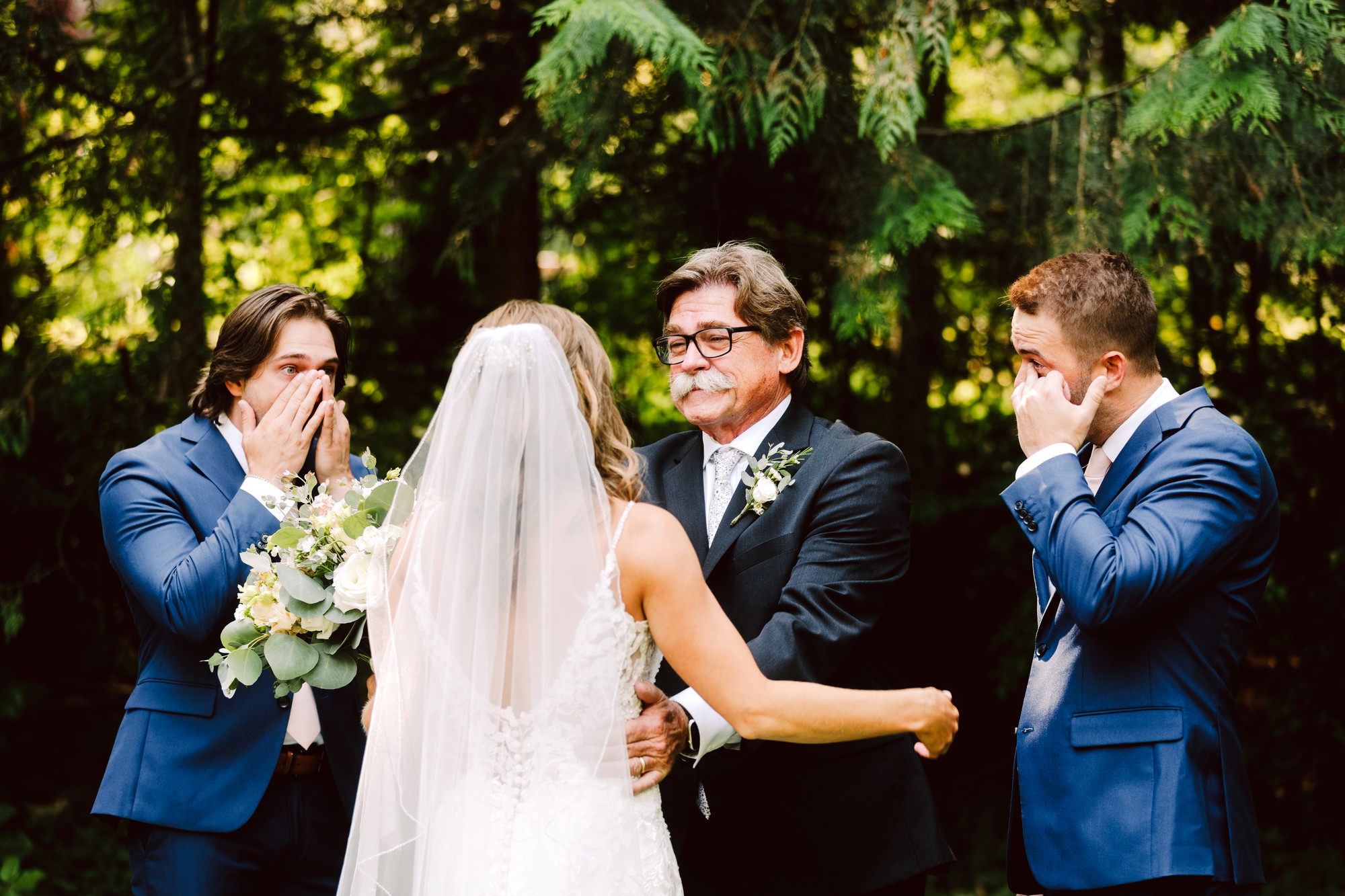
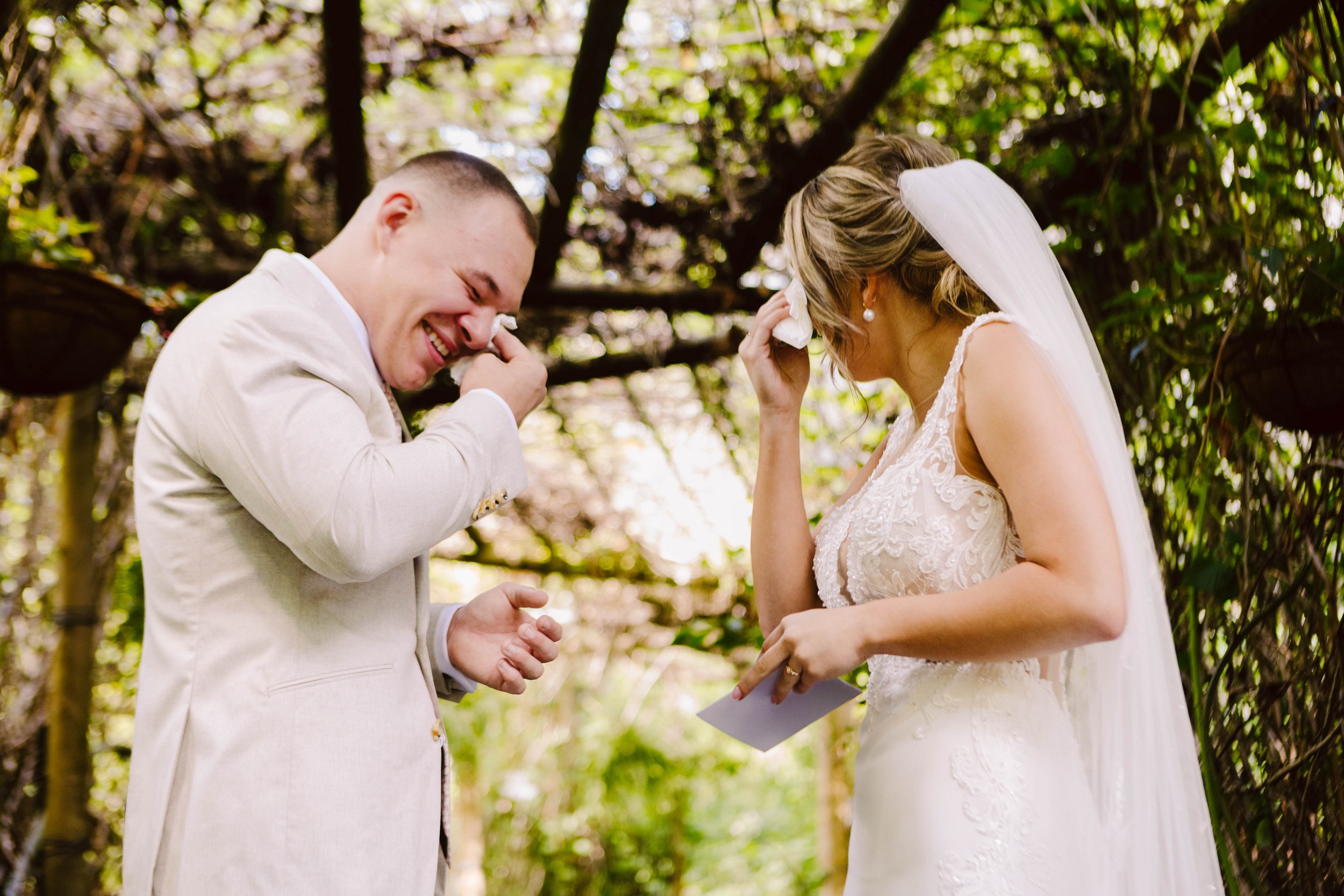
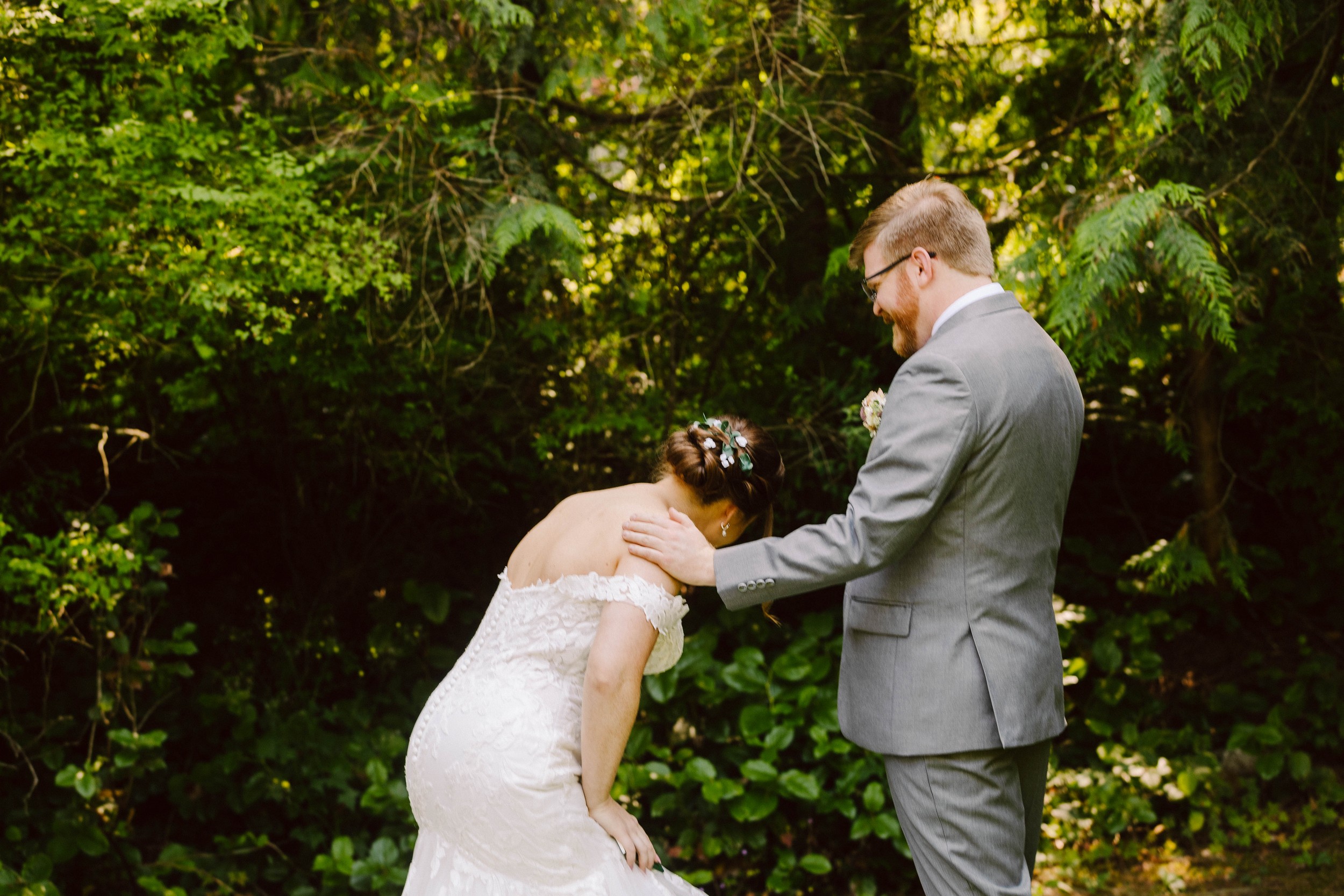
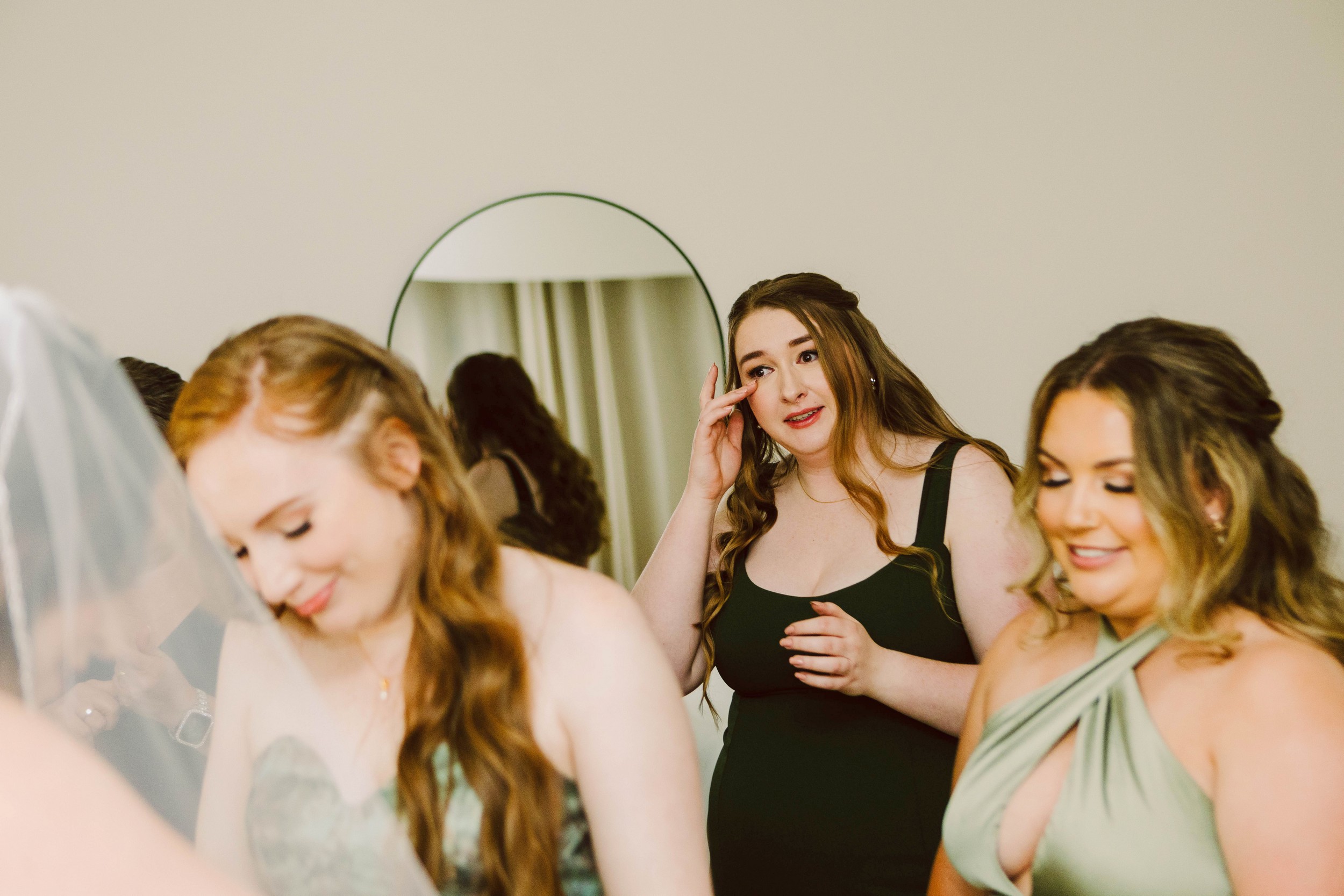
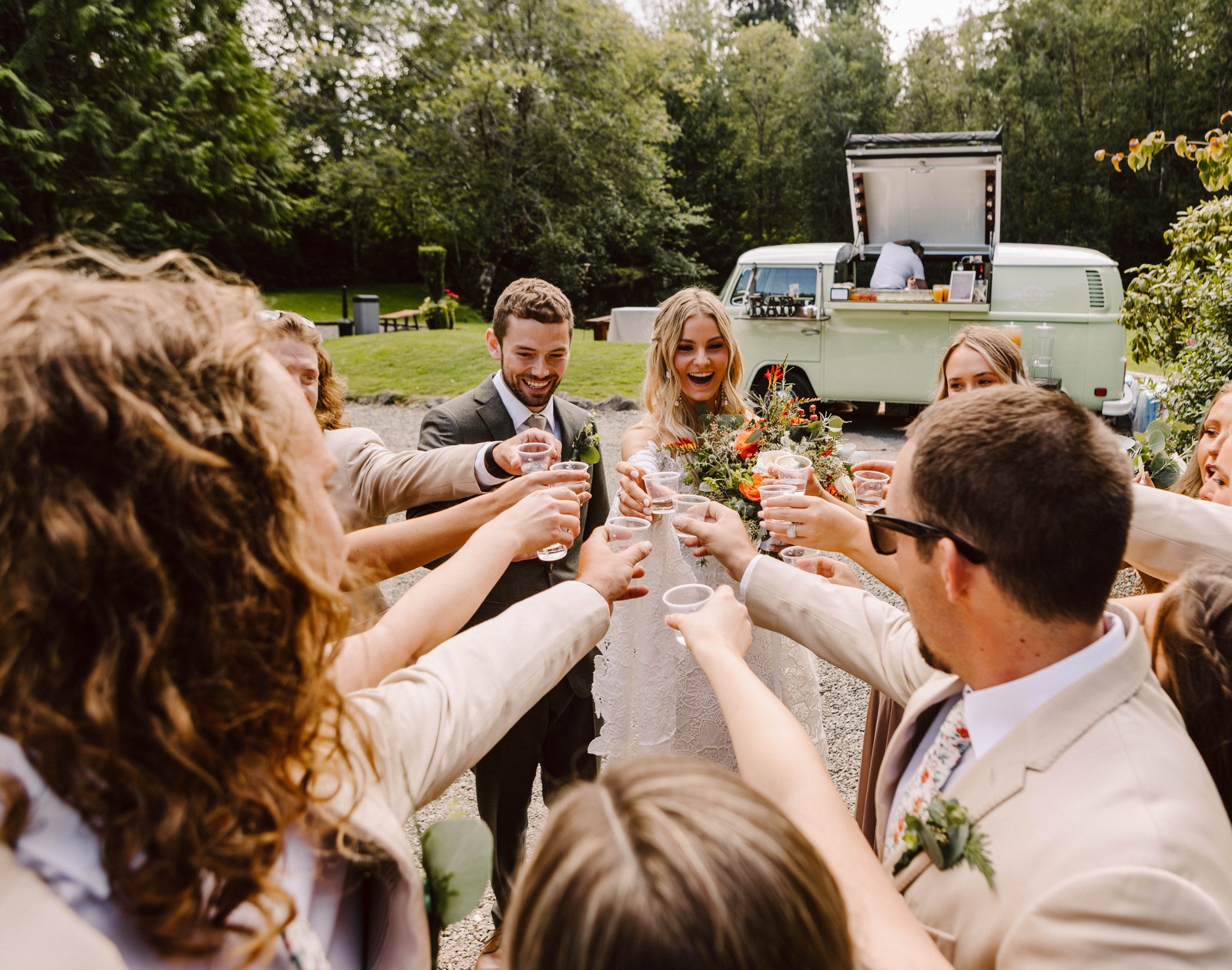
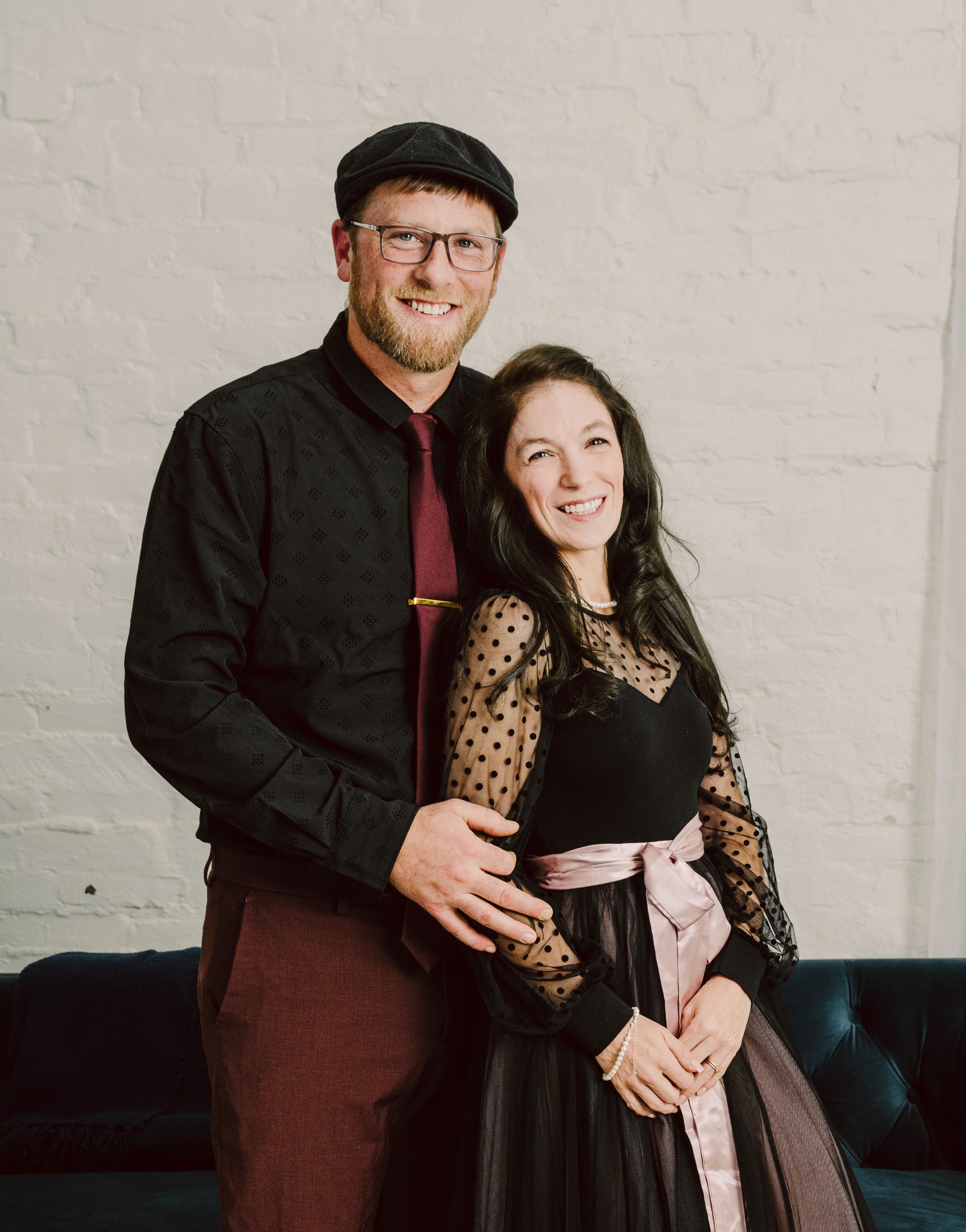
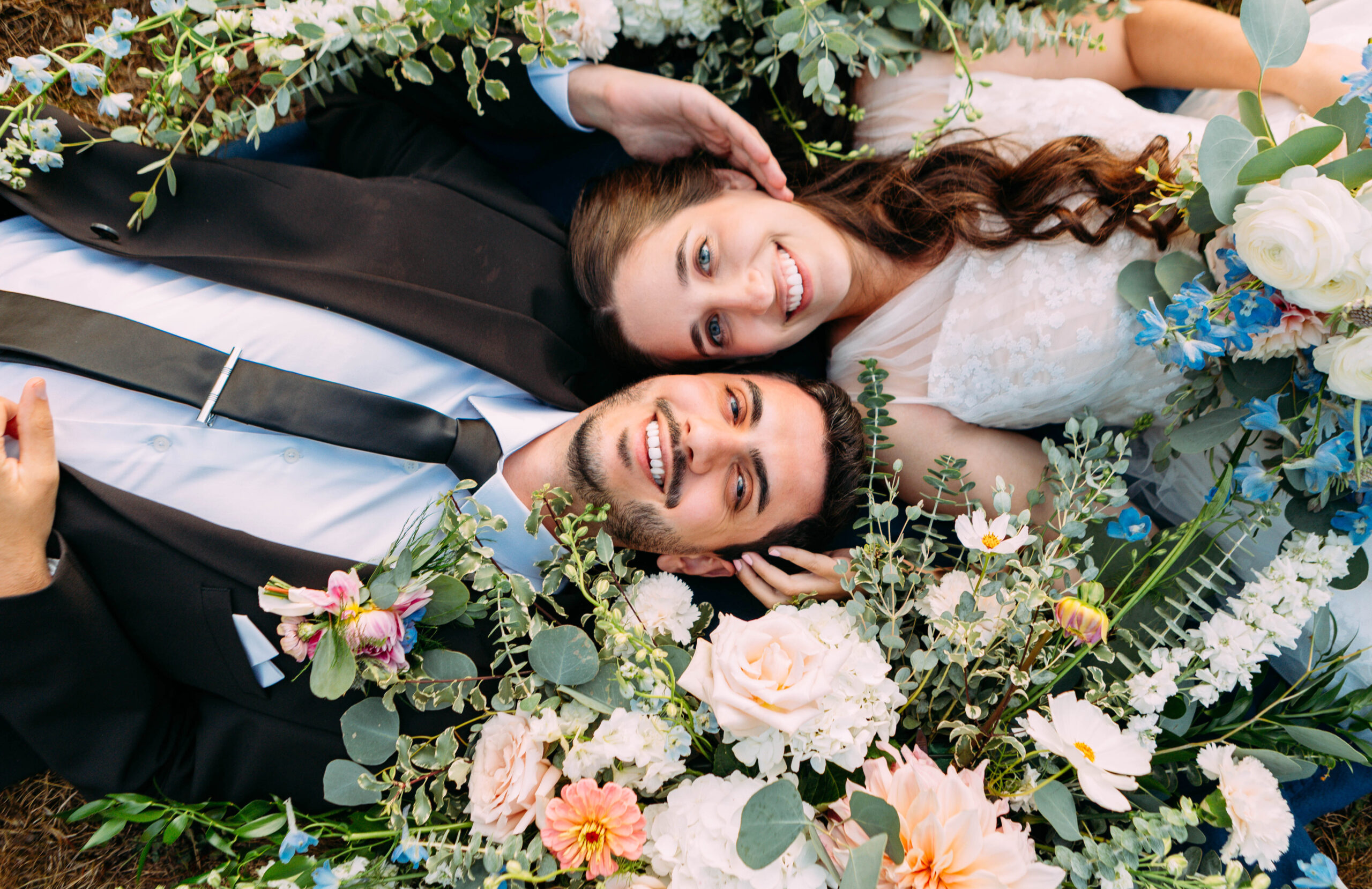
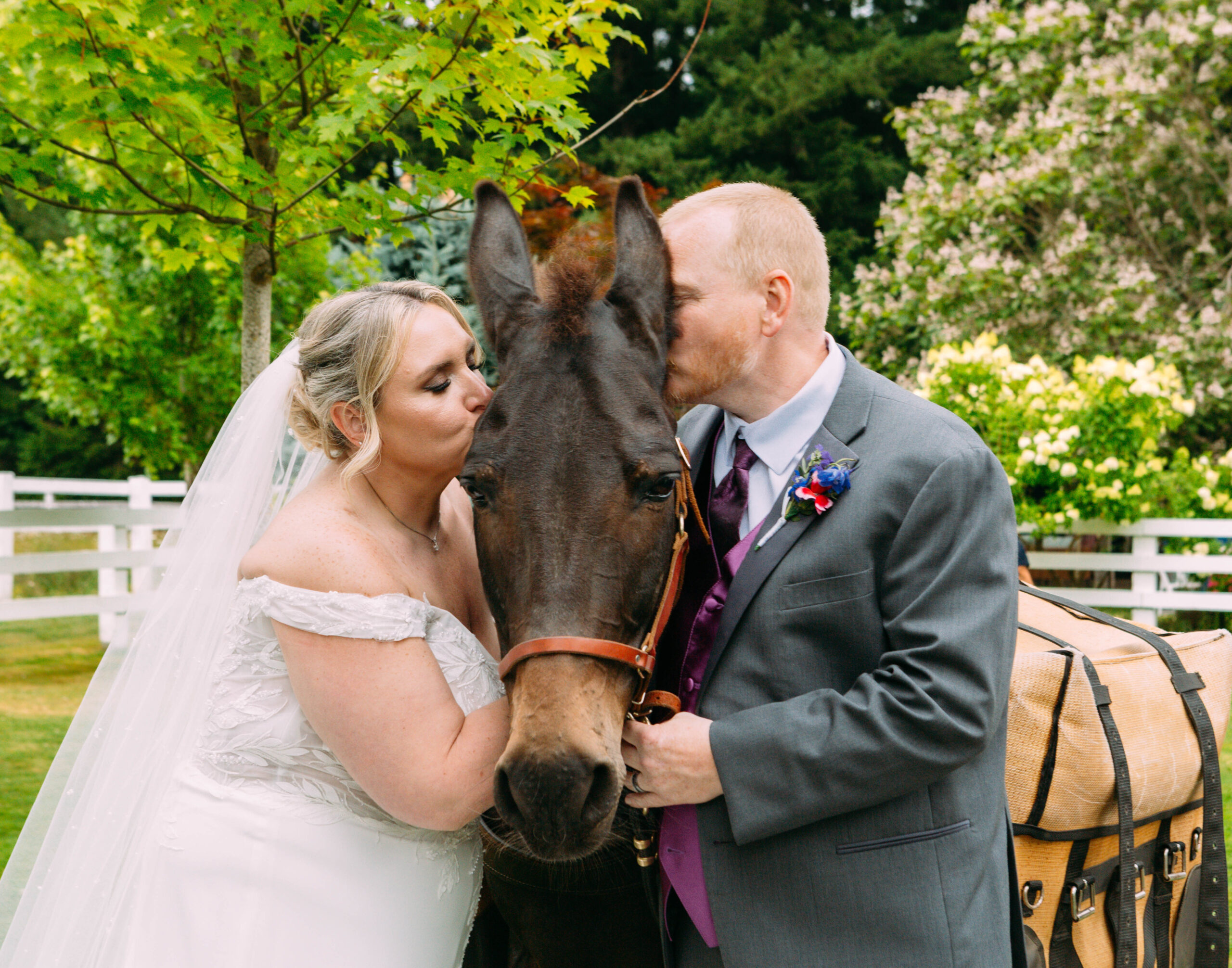
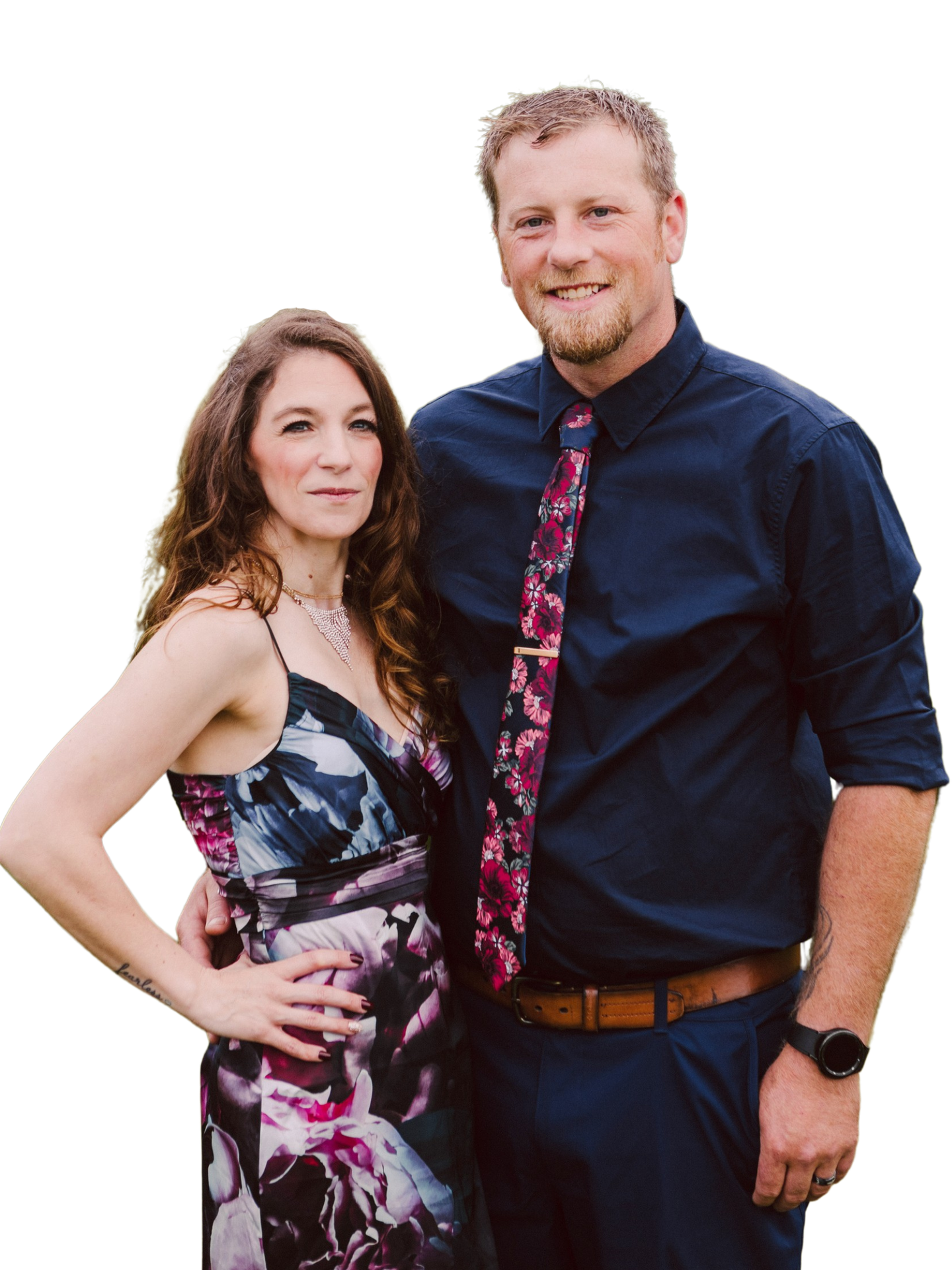
Honestly, you’ll know pretty quickly. If you’ve read this far and thought “okay, these people feel like mine” – trust that. We’re built for couples who want their wedding day to feel like themselves, not like a magazine spread. Couples who want a team that shows up – not just with cameras, but as timeline-holders, veil-fixers, granola-bar-deliverers, and two people who will absolutely tear up at your first look.
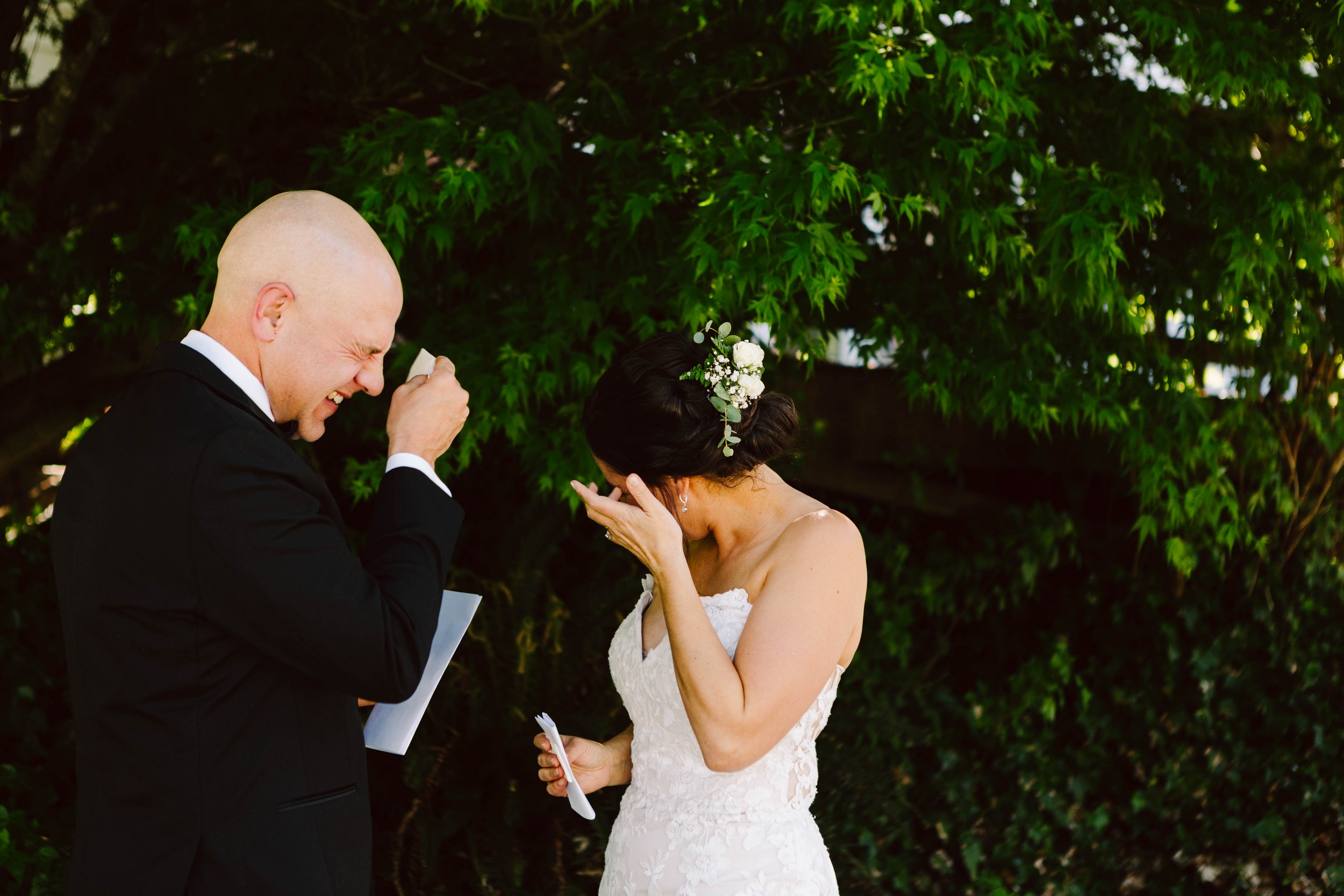
We’re not the right fit for everyone, and that’s okay – we’ll tell you honestly if we’re not. But if you want two people who’ll show up early, stay late, cry at the first look, and keep the timeline running gently in the background, that’s us.
How much is wedding photography in Snohomish County?
In Snohomish County in 2026, full-day wedding photography typically runs $3,000 to $10,000+. Most couples working with an experienced, full-time photographer invest between $4,500 and $8,000.
What changes the number: hours of coverage, one or two photographers, years of experience, editing style, and what’s included (prints, albums, second photographers, travel). Washington state sales tax of about 8.5-10.5% applies on top.
GSquared starts at $4,500 for nine hours of two-photographer coverage with all your digital images and full print rights. Nothing hidden. No surprise upsells. No tier where you have to choose which parts of your wedding day get photographed.
For a full breakdown, read our Snohomish County wedding photography pricing guide.
What is your photography style and what will my photos look like?
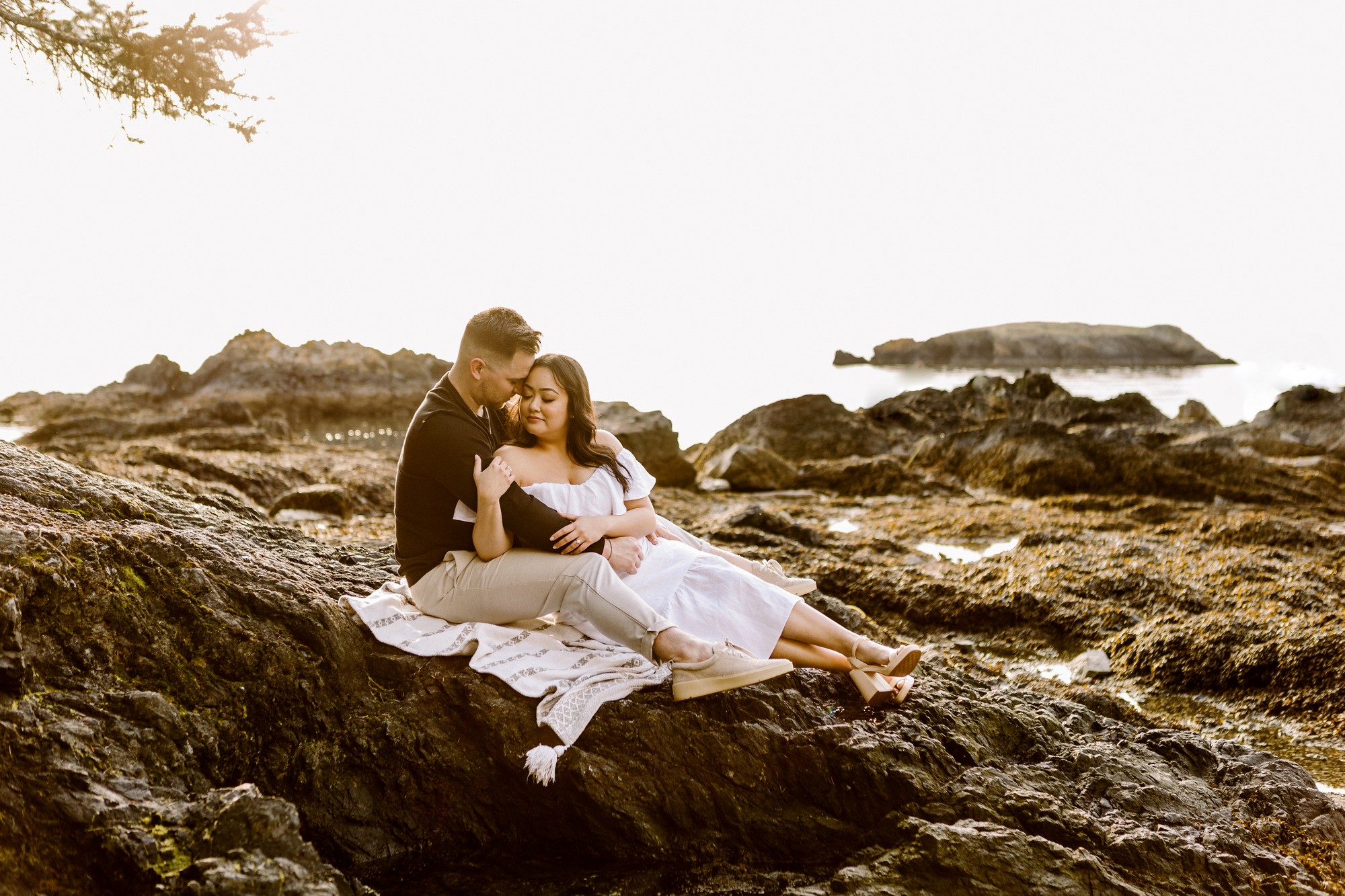
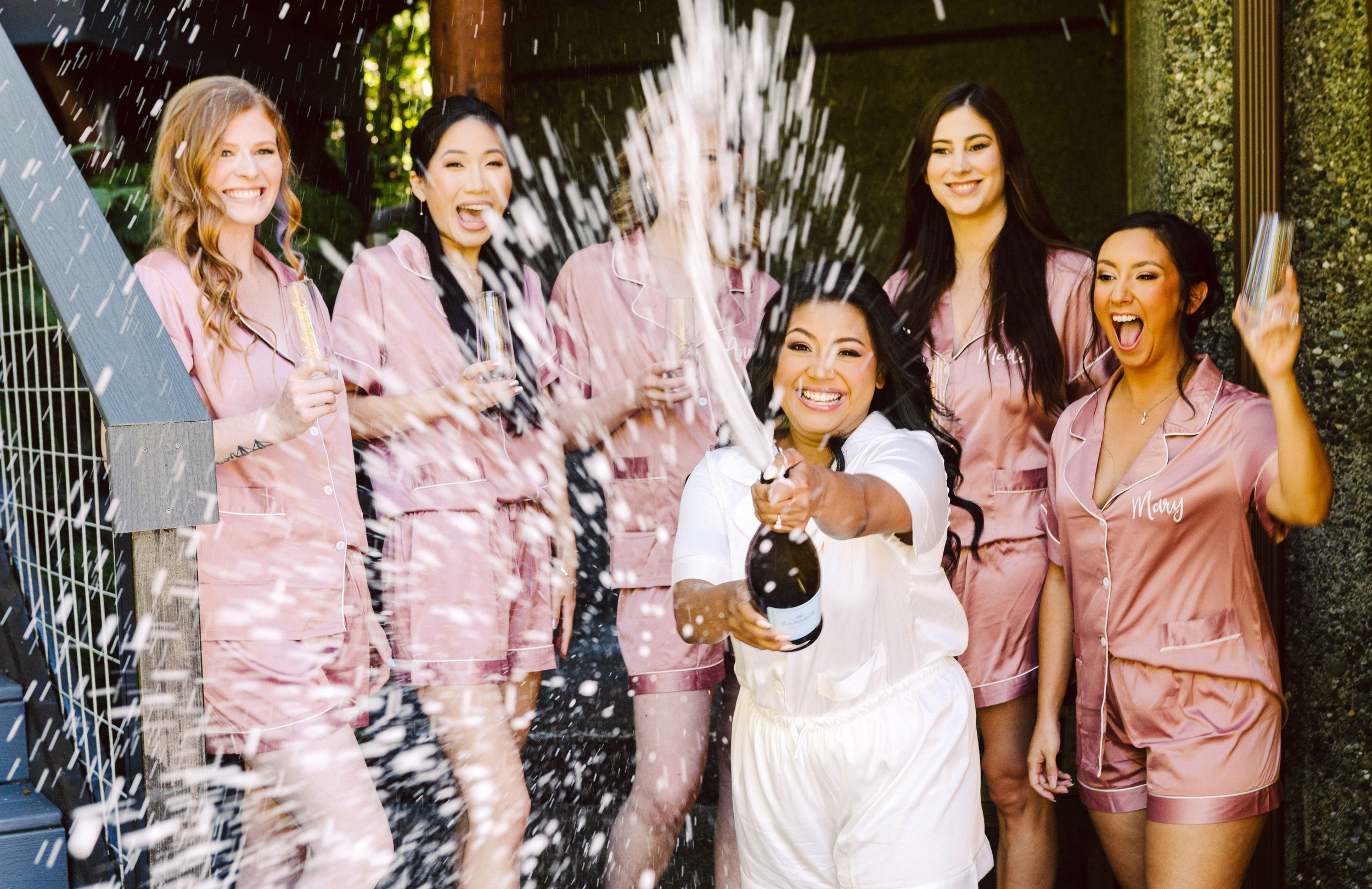
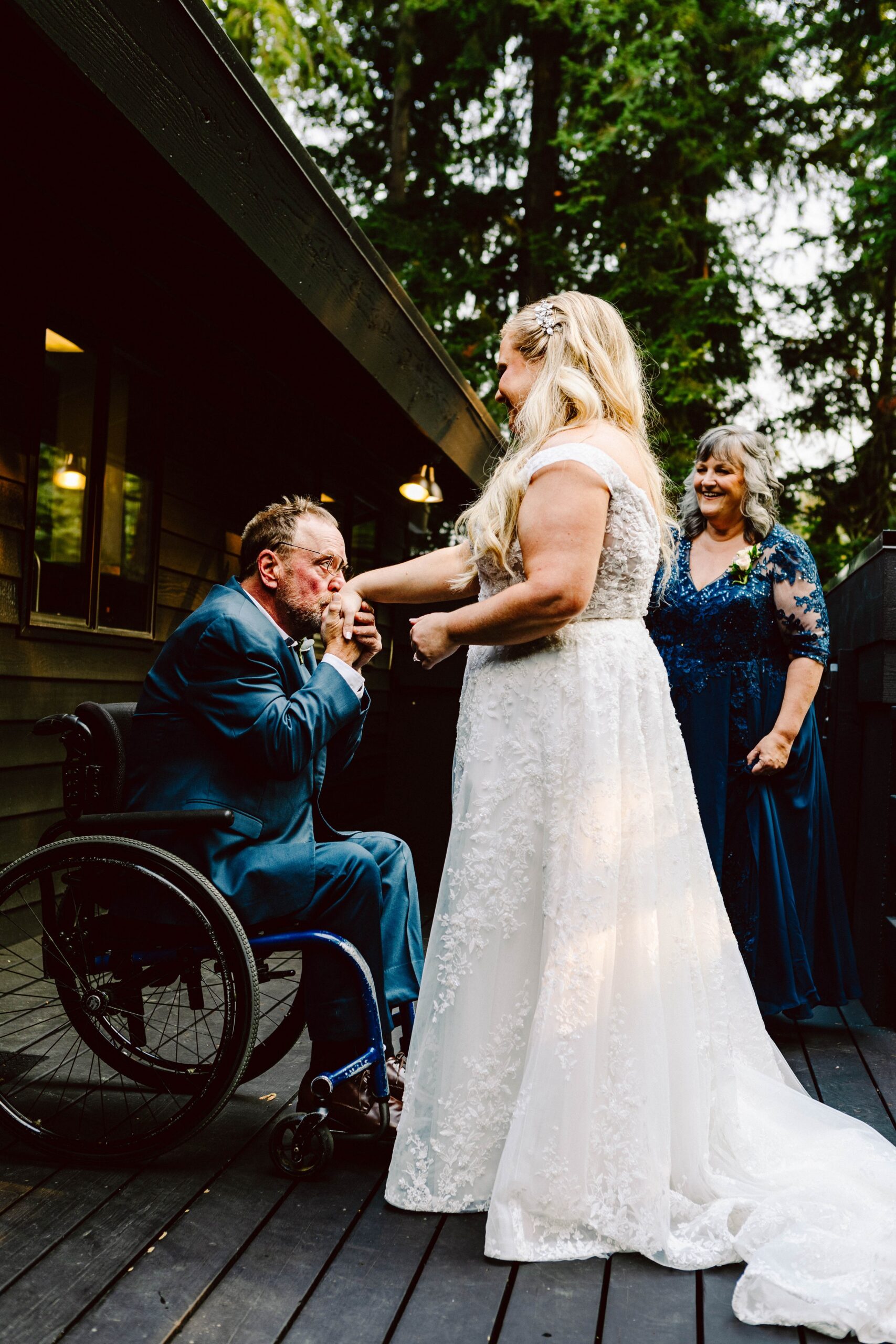
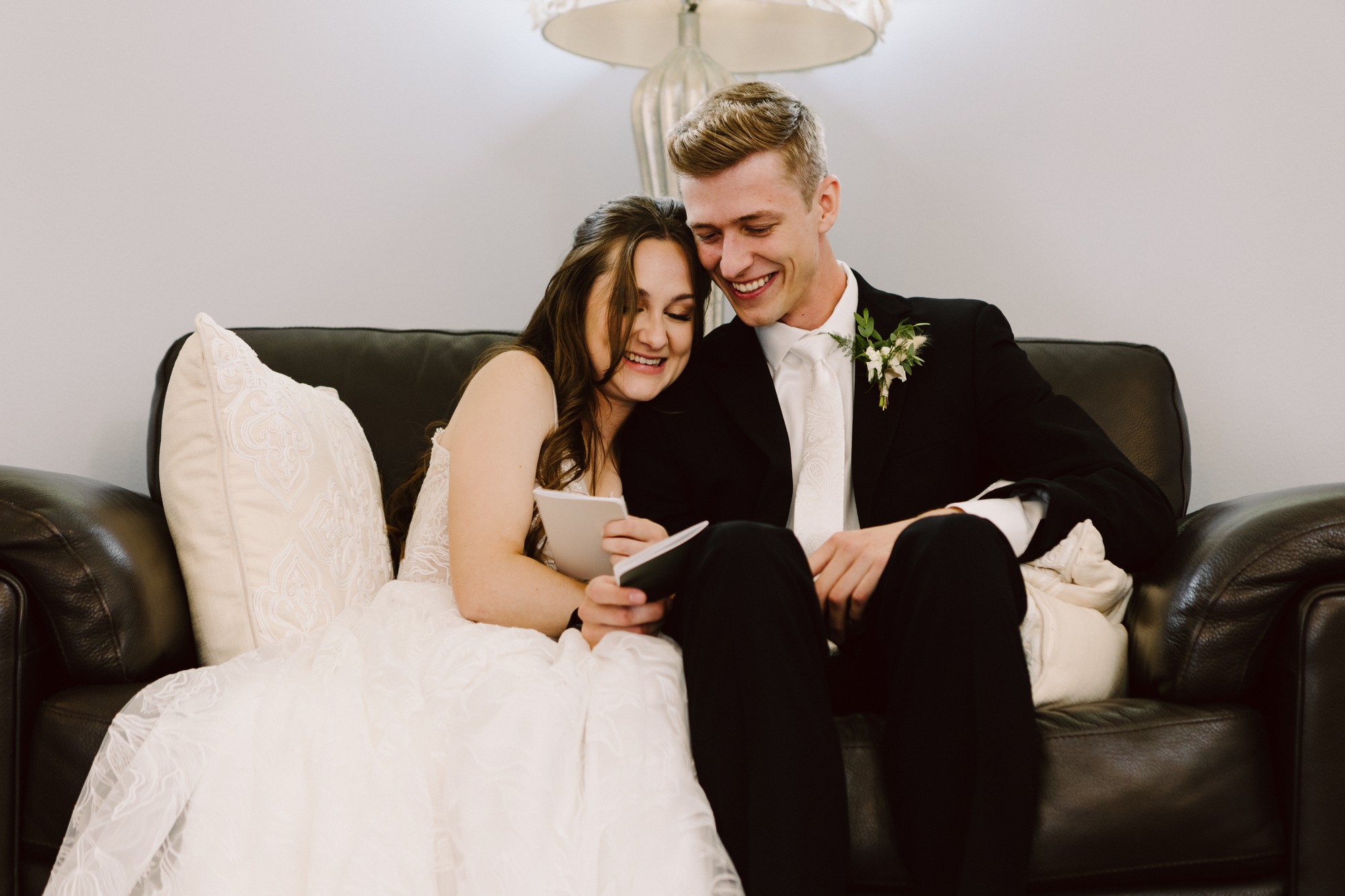
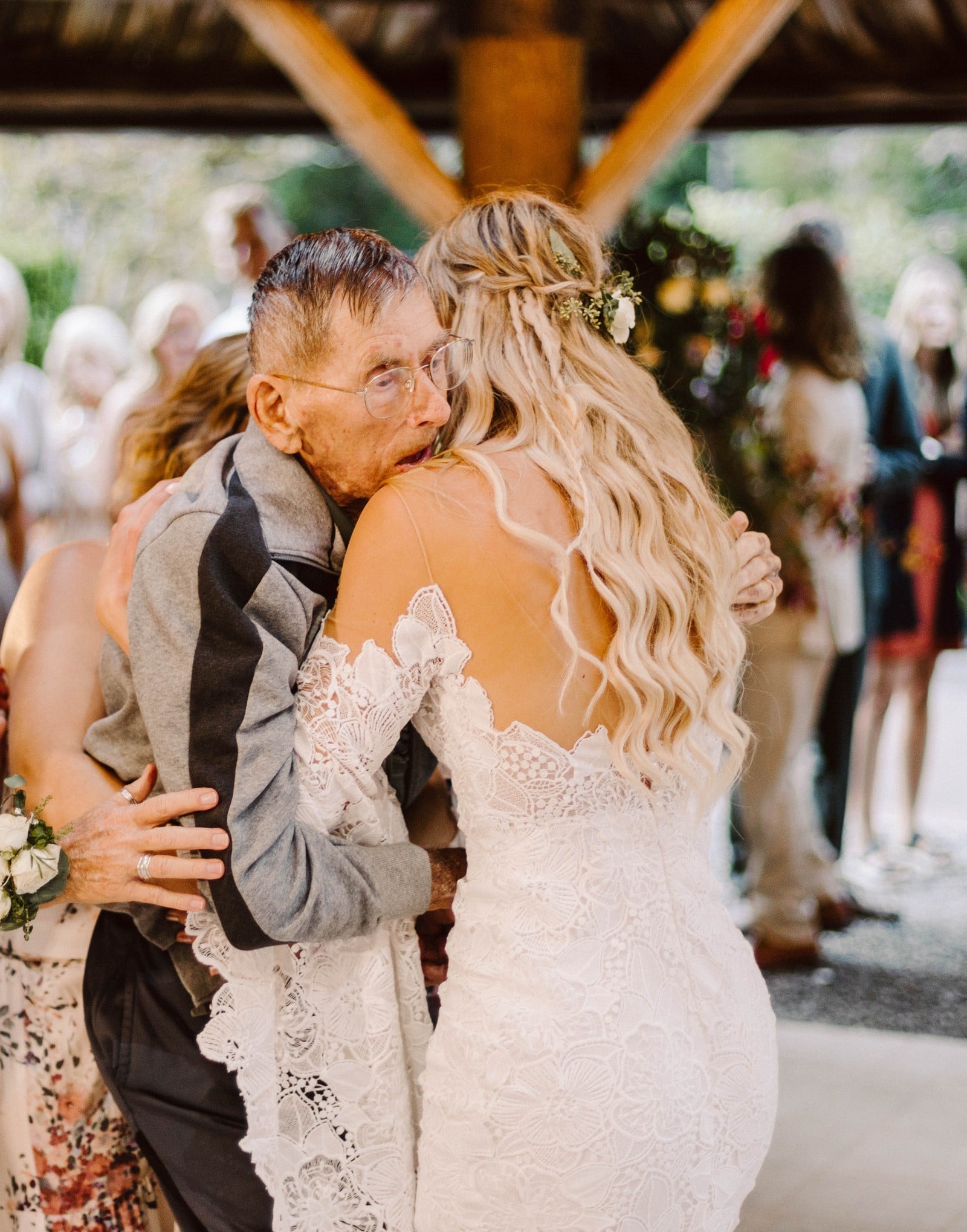
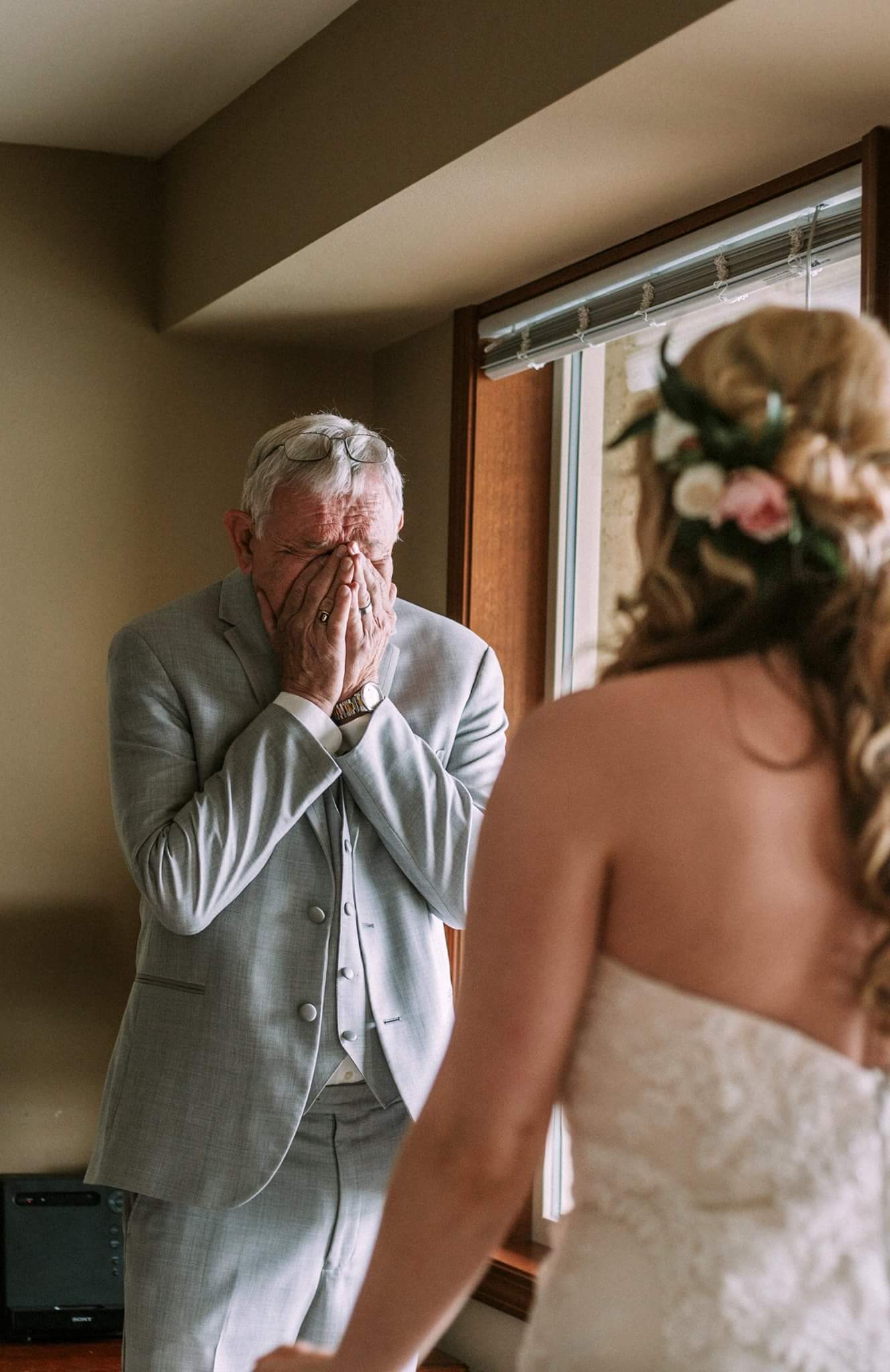
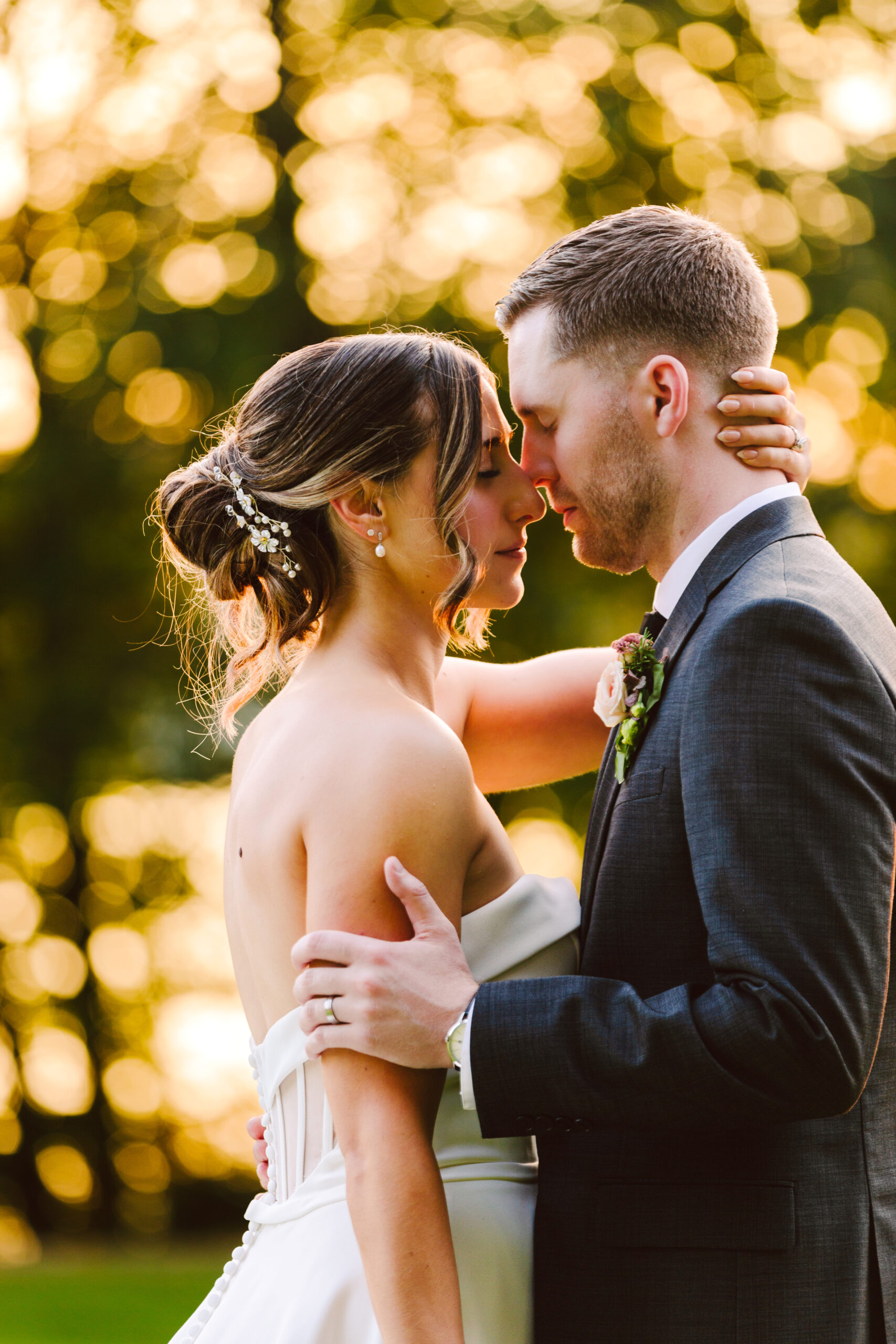
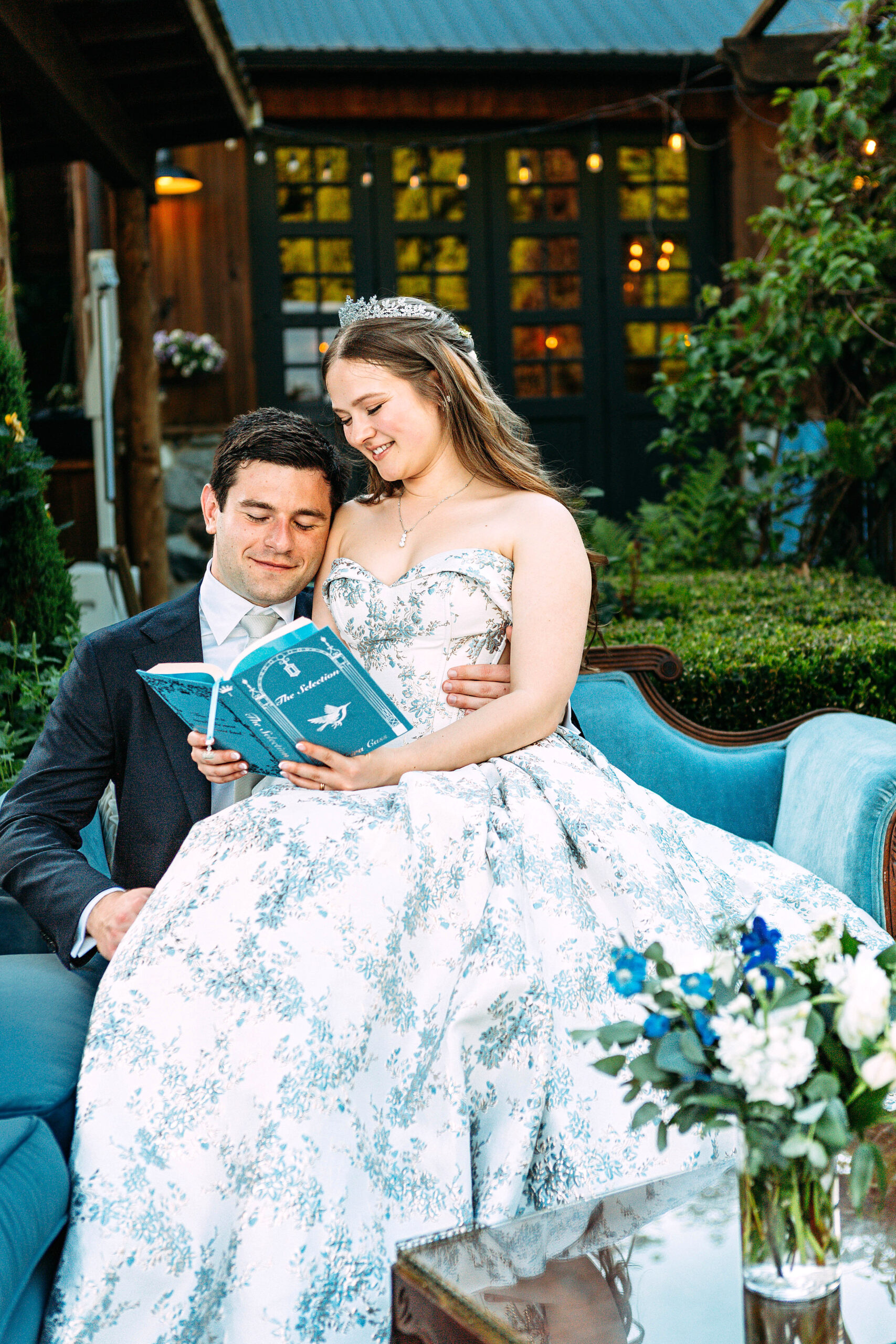
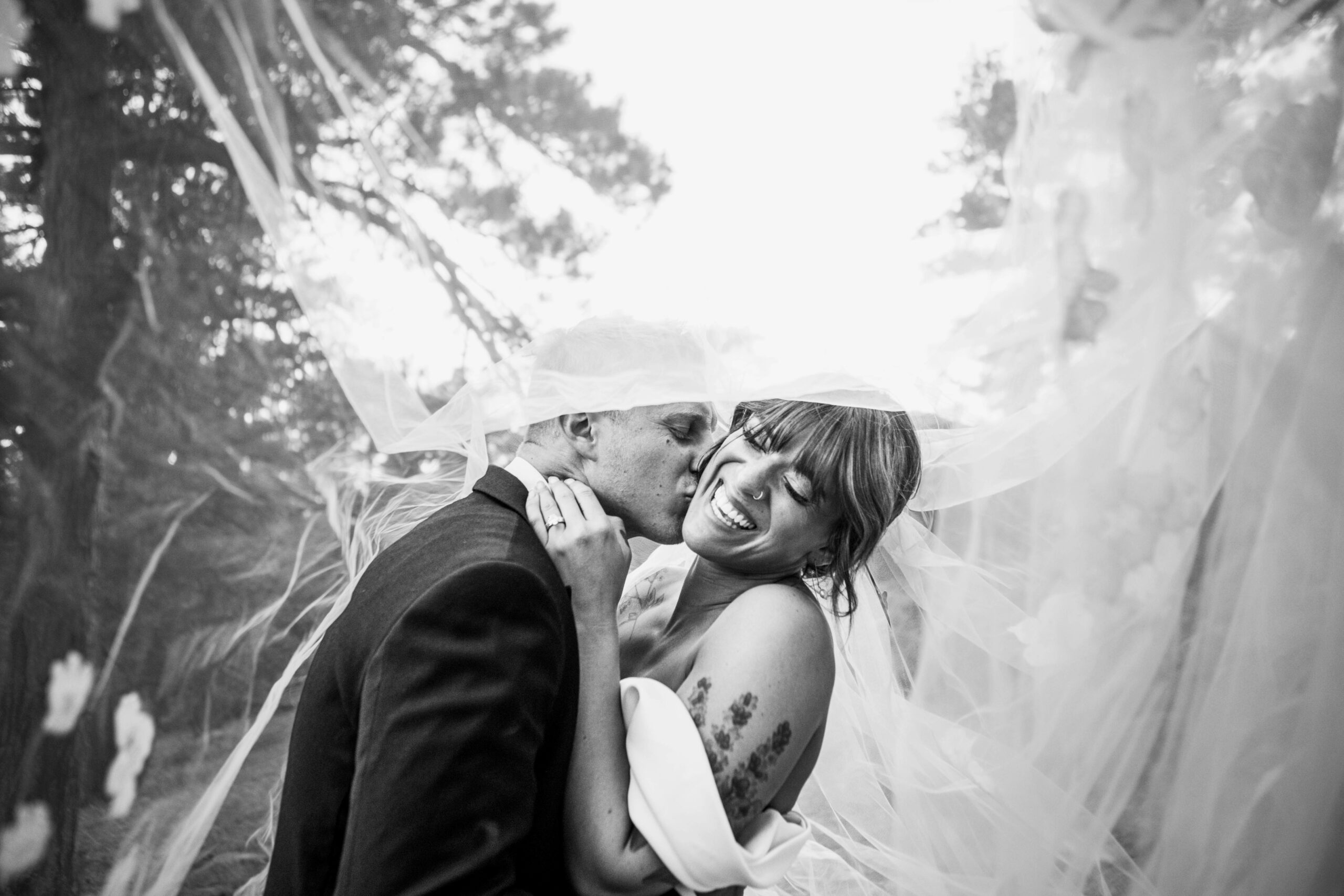
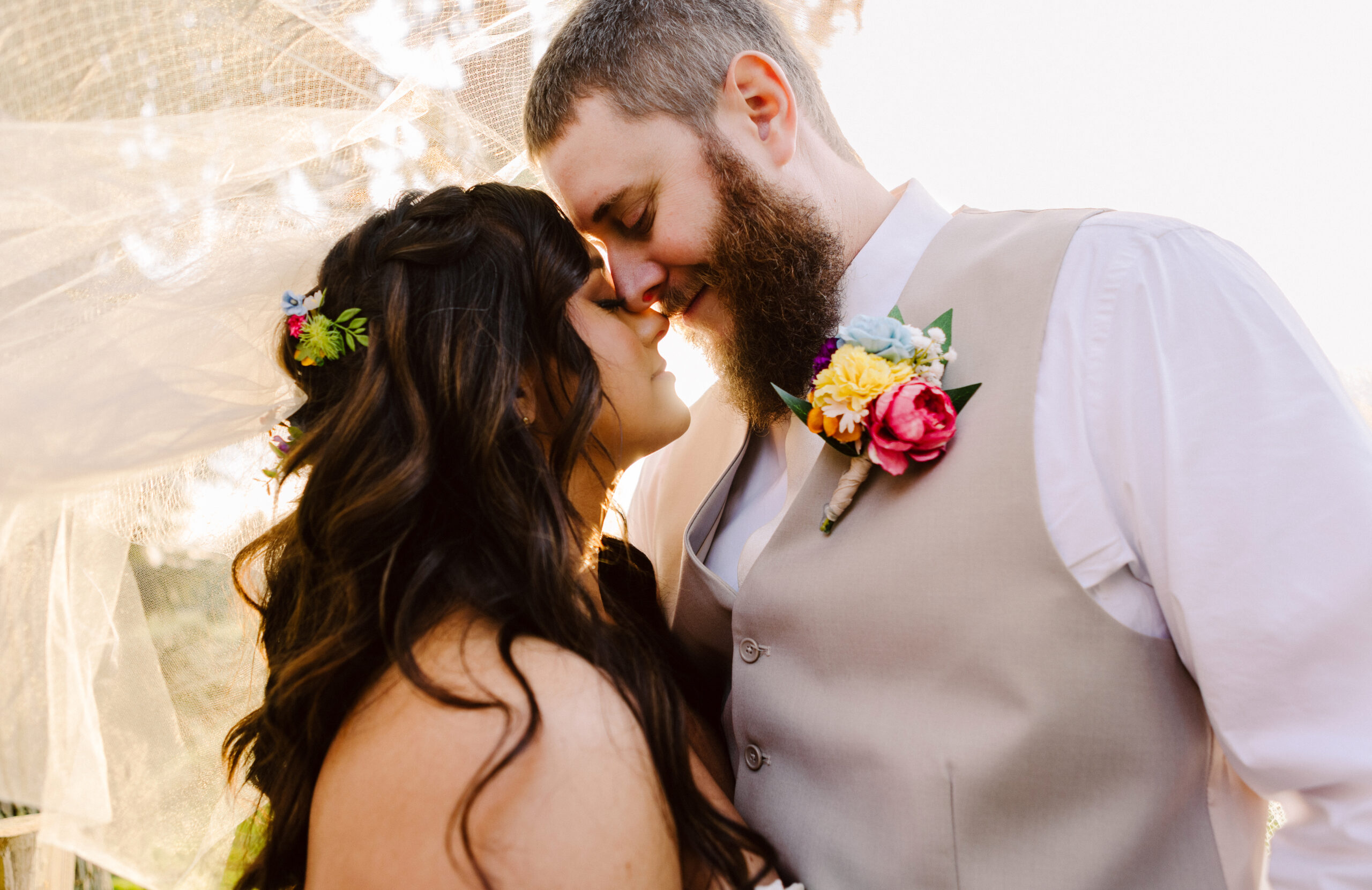
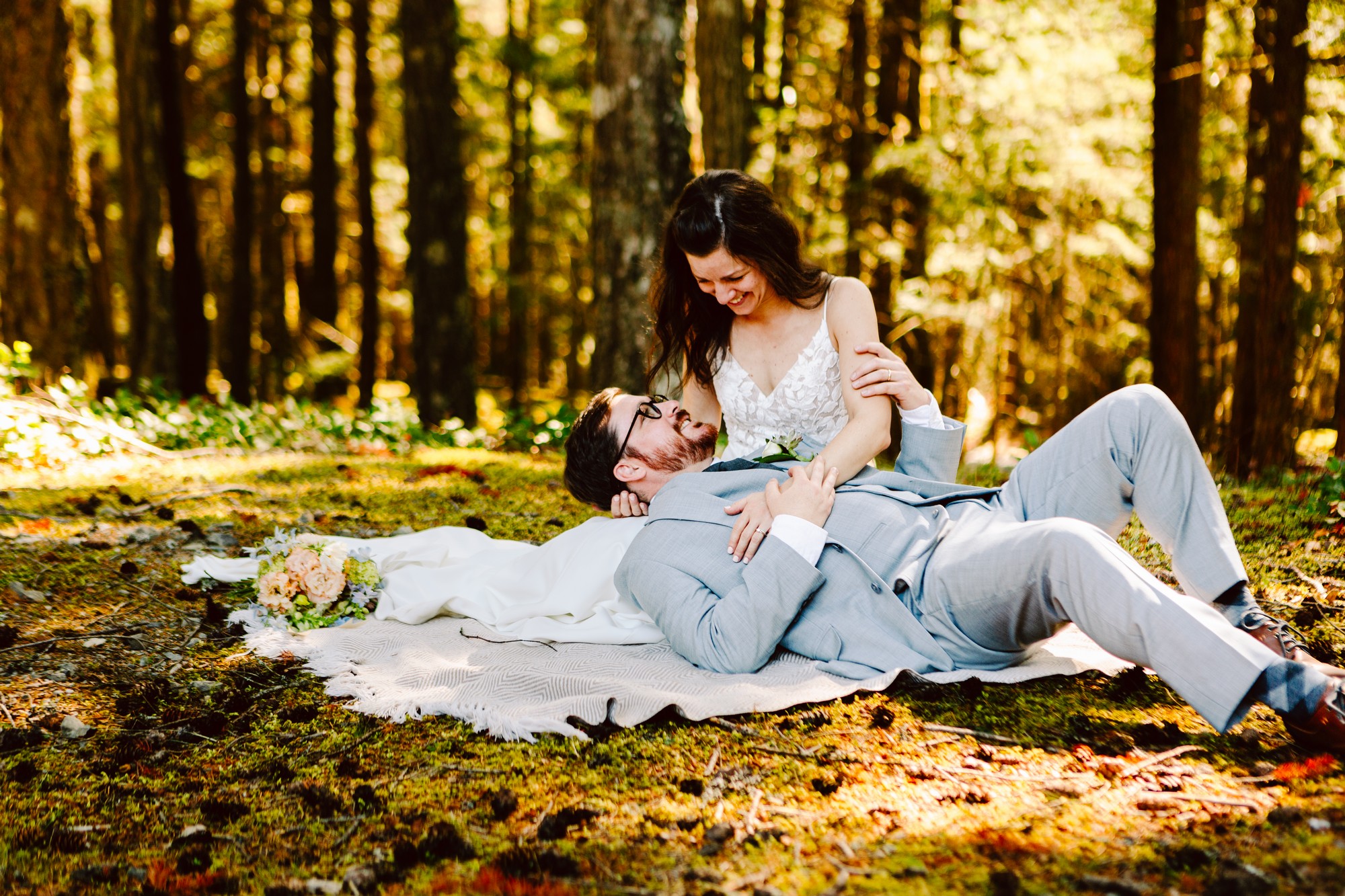
Guided, Story-First: candid, documentary-style coverage plus hands-on posing. In plain English: the getting-ready, ceremony and reception are photographed as they happen, so you get the candid laugh in the middle of vows, the flower girl losing it during the recessional, and your dad’s face when he sees you for the first time. Roughly 85% of your gallery ends up candid.
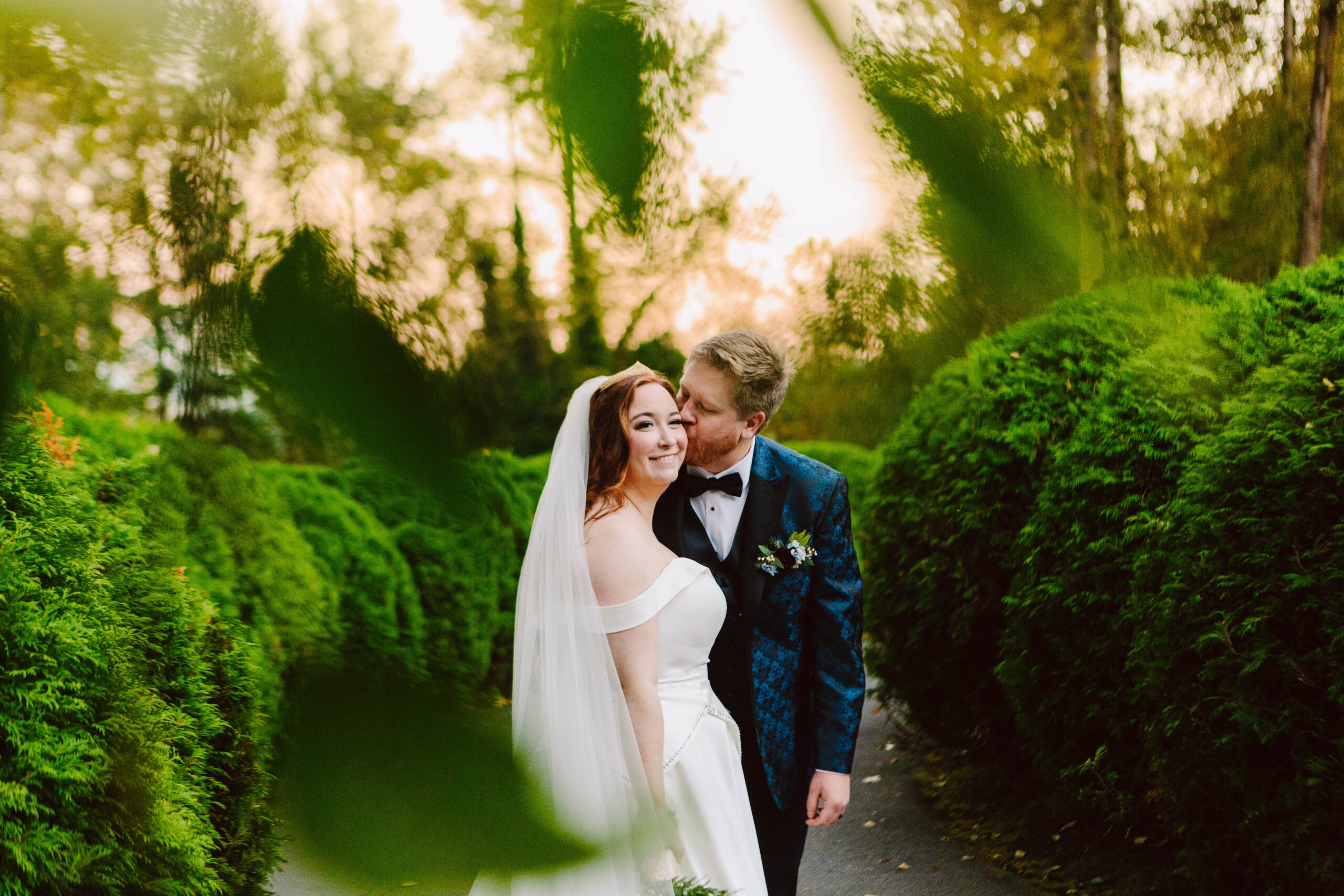
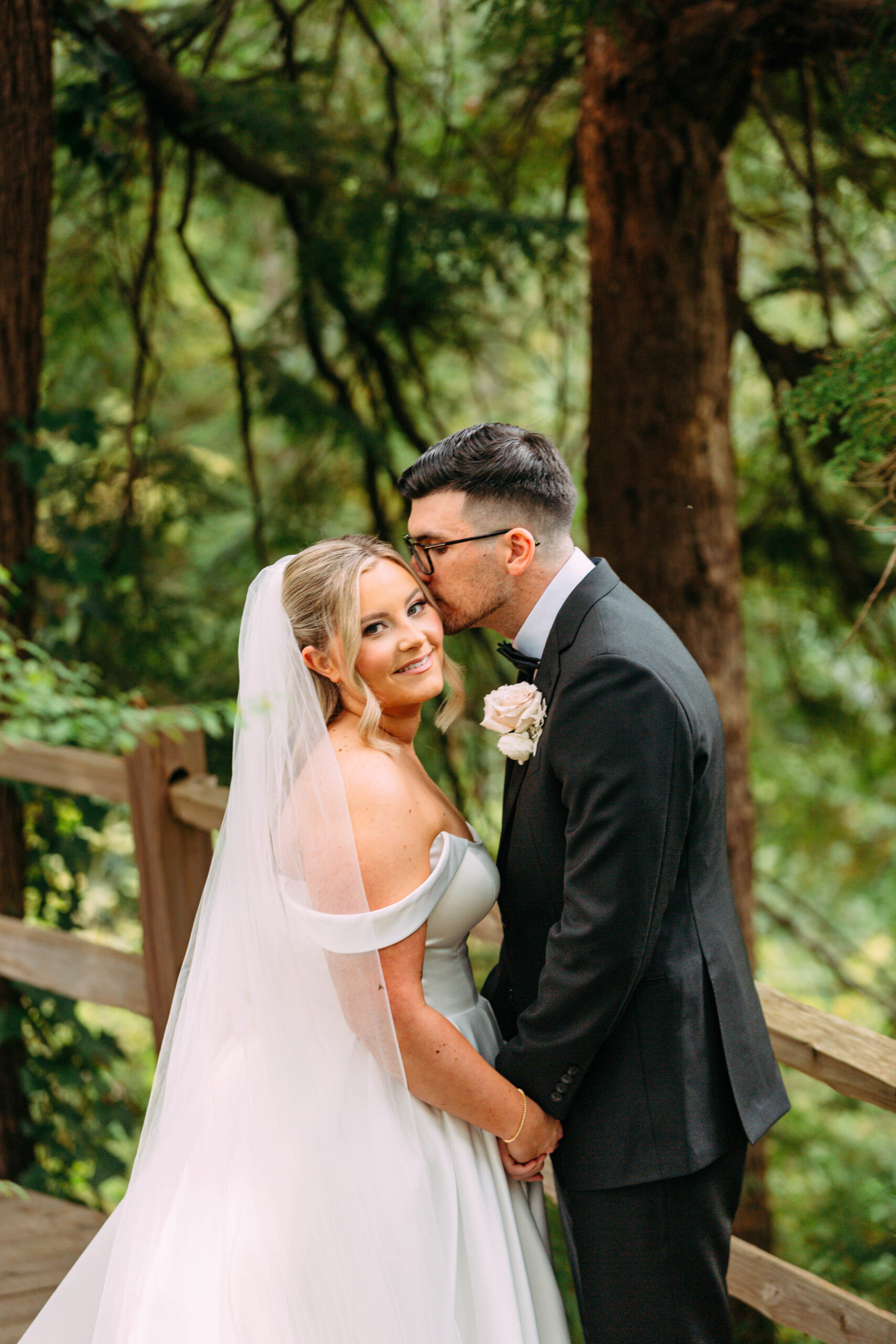
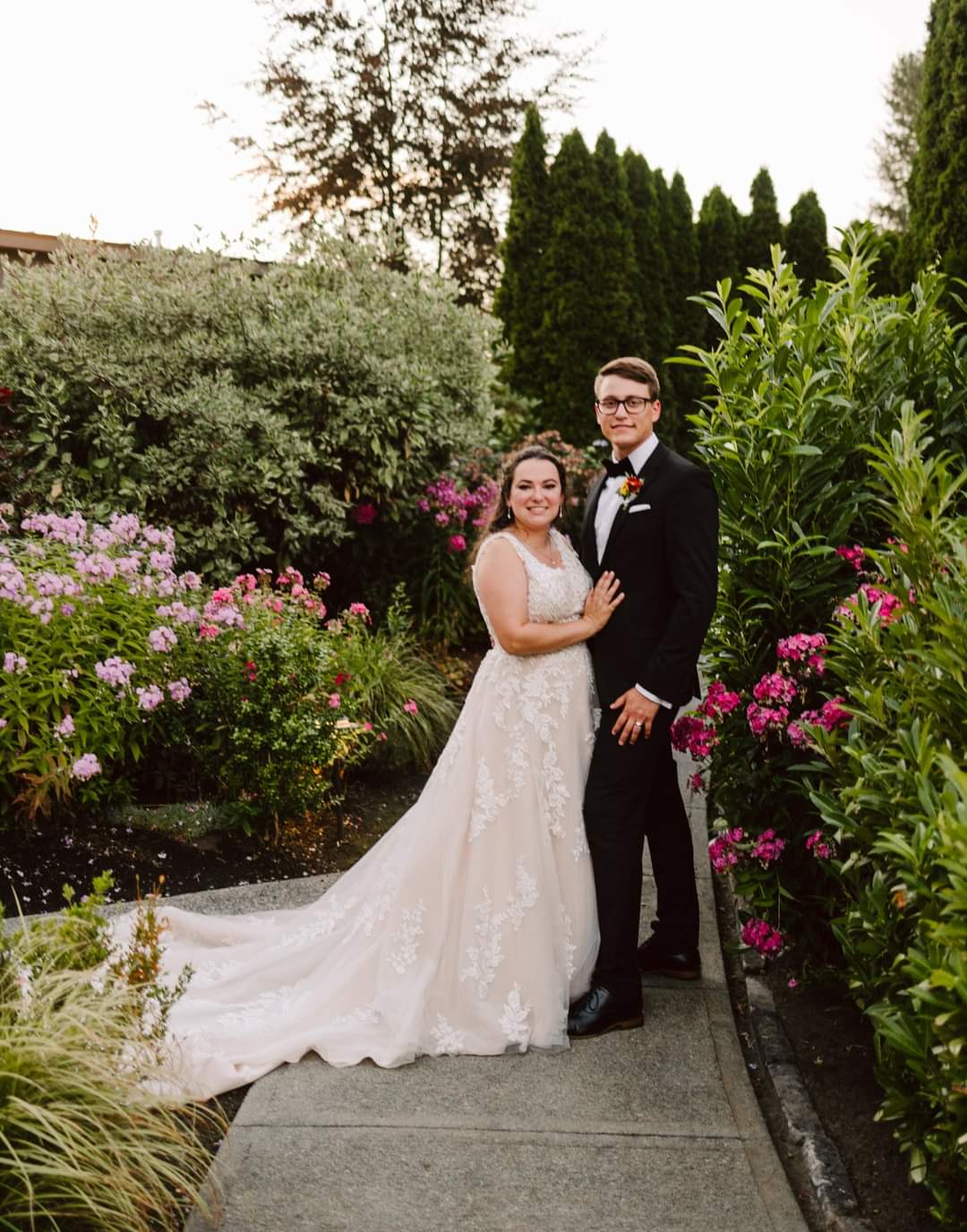
For portraits, we guide you. Most people aren’t trained models, so we give you simple prompts and movement (walk, whisper, laugh at each other) and use a method we call flow posing to get lots of different images out of a single direction. You never have to wonder what to do in front of a camera, and plenty of the photos that look fully candid came from that guidance. You also get strong, frame-worthy portraits for your walls and album. If you want zero portrait time, we’re not the right fit. If you want to look great without feeling awkward, we are.
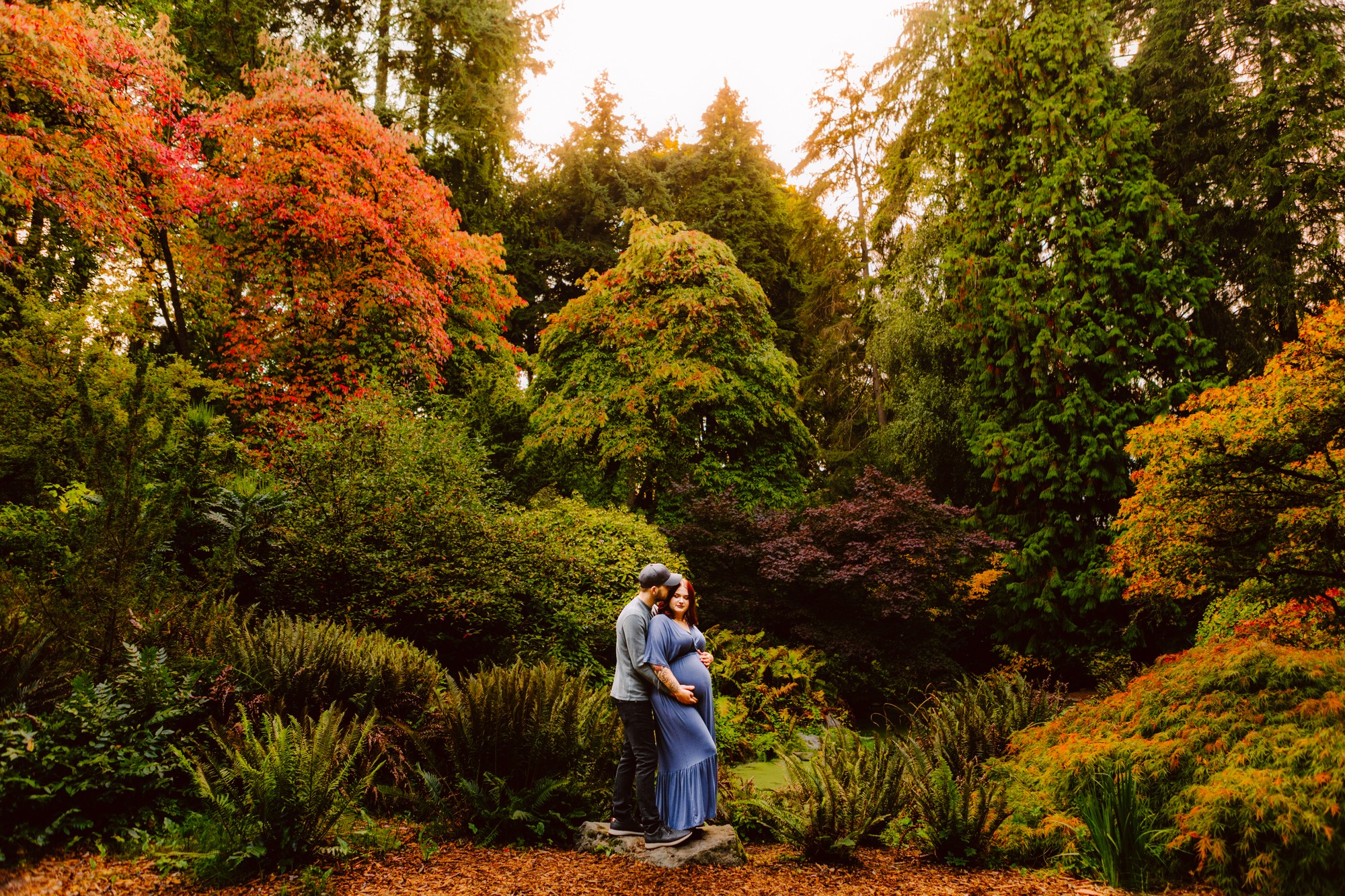
Our editing is true to life. We call it Color Integrity. Your skin tone stays your skin tone. The colors you chose stay the colors you chose. Five, ten, twenty years from now, your wedding photos will still feel like your wedding – because we weren’t editing for a trend.
What do we get with our photos: how many images, when, and can we print them?
Most of our galleries come in around 1,500 photos, and many are larger. We recently delivered a 4,200-photo gallery from a single wedding, and every image was edited by Kate. As a rough guide, plan on at least 50 images for every hour of coverage, but that’s only a starting point. Your gallery depends on your day, and we never cap it or limit your downloads.
Your sneak peeks arrive the Monday after your wedding, and your full gallery arrives within 16 weeks. You also get full print rights, so you can print your images anywhere, at any size, as often as you like.
Do you charge travel fees?
Not for most Washington weddings. We don’t charge travel for weddings in Snohomish County, Skagit County, Whatcom County, Kitsap County or North King County. That covers towns like Maltby, Monroe, Arlington, Lake Stevens, Sultan and Stanwood, Bellingham, Poulsbo, Redmond, Bellevue, Woodinville, Kirkland (the Eastside) etc.
We add a travel charge when getting to your wedding requires a flight, a hotel stay, a drive of 4+ hours, or the ferry to the San Juan Islands. Kitsap weddings have no ferry charge. Tell us where you’re getting married and we’ll give you a straight answer before you book.
How do you photograph dark barns, tents and string-light receptions?
We photograph in dark spaces all the time, and we bring the equipment to do it well. We carry a full lighting setup and a dialed-in approach for any lighting situation a venue can throw at us.
In fact, we often prefer the lights off. A dim barn, a dark tent or a getting-ready room with the overheads switched off lets us take full control of what the light is doing, so your skin, your dress and your decor look the way they should. Overhead bulbs and mixed lighting are what ruin photos in dark spaces, and we plan around them.
We can also work outdoors after dark. A little ambient light, like string lights, is usually enough, and when it isn’t, we add our LED lighting panels to our other lighting. Whatever the setup, we keep your colors true to life. Skin stays skin, whites stay white, and warm bulbs don’t turn into orange faces. We even love when your DJ uses party lights during the reception (just as long as it’s not during your special dances!)
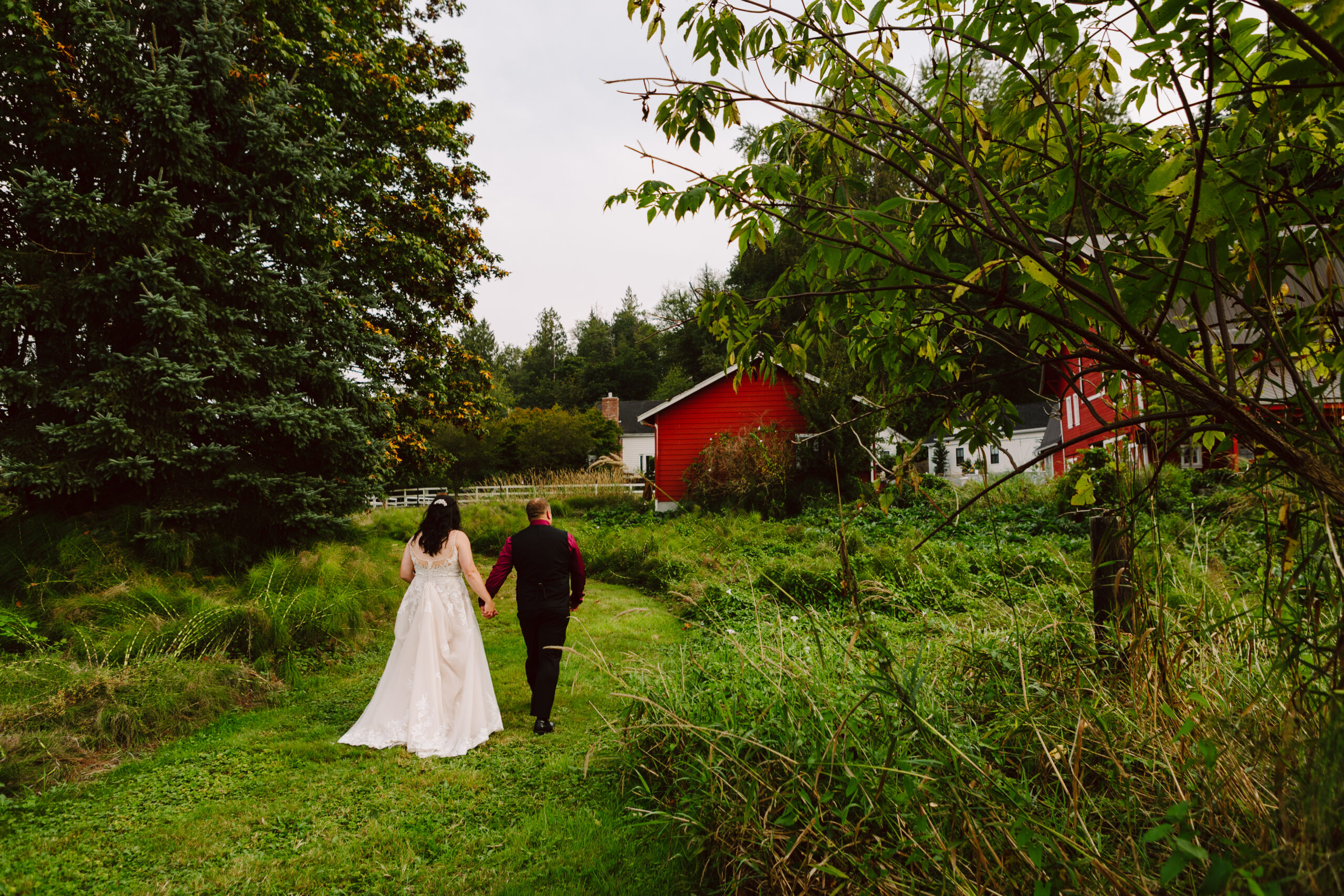
We’ve photographed receptions in barns, tents and halls around Snohomish County for years, including Liljebeck Farms, Lord Hill and Gray Bridge.
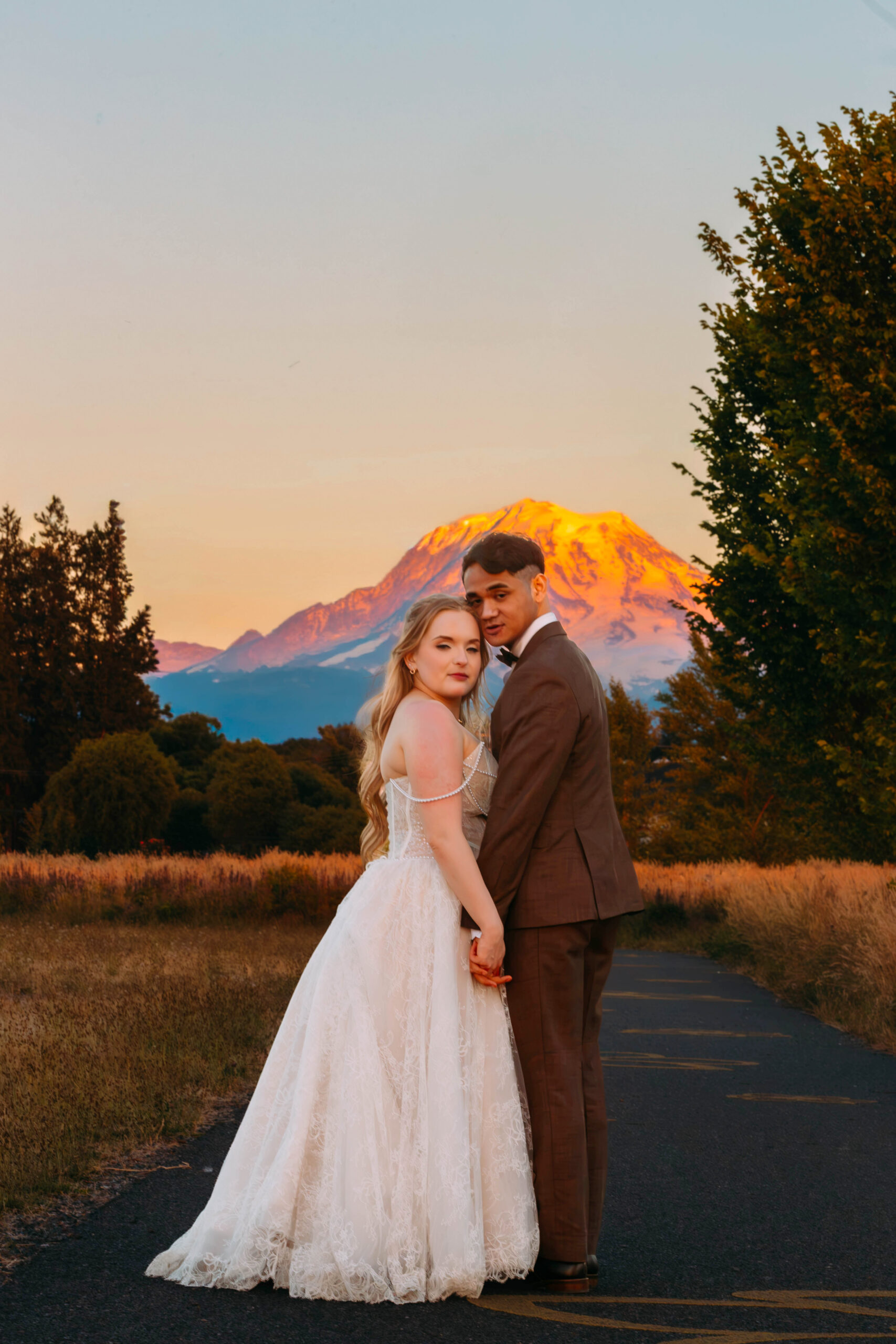
When should our ceremony start so we have good light?
The best ceremony time depends on your venue, your date and what matters most to you, so we build it with you instead of handing you a formula. We start by talking through your priorities and ideas, then we plan your timeline around the light pattern at your venue on your wedding date.
The one thing we’ll almost always steer you away from is a ceremony at 3 PM or earlier from June through September. In the Pacific Northwest summer, the sun is usually far too bright and harsh at that hour. A later start gives you softer light and more flattering photos.
Sunset moves by more than five hours across the year, so a time that works in June can leave you in the dark in November.
Do you offer videography, and will you work with our videographer?
We don’t offer videography. We photograph, and we refer couples to videographers we love working with. We keep a bench of videography partners instead of a single exclusive team, because any one videographer may already be booked for your date.
The videographers we recommend are largely documentary. Their work is about connection and the story of your day, and not about directing you or constructing a staged version of it. That matches how we work, so our teams stay out of each other’s way and your day feels like one day.
We personalize our vendor recommendations. Before we suggest anyone, we get to know what you’re looking for: how you want the experience to go and what you want your video to feel like. Then we point you to the videographers who fit. Sometimes we contact them ourselves first to make sure they have your date open, so you don’t spend time reaching out to someone who is already booked.
If you’ve already chosen your own videographer, we’re happy to work with them.